GoldBod Losses and IMF Program Extension
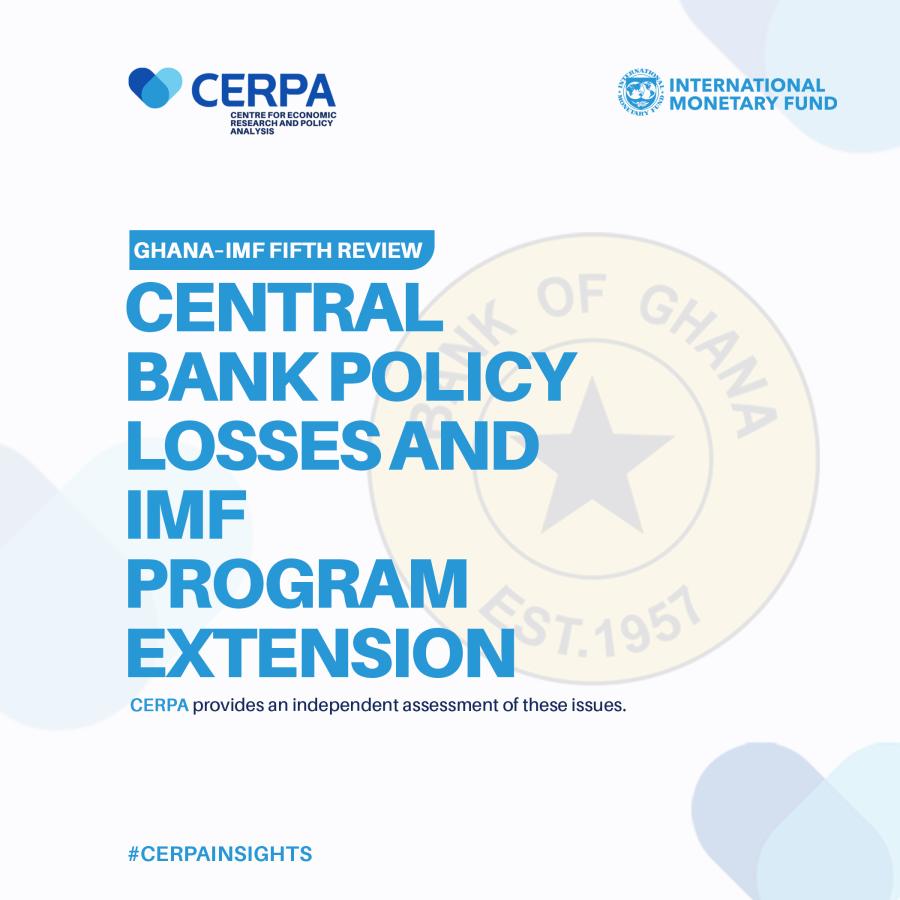
The fifth review of Ghana’s Extended Credit Facility (ECF) program with the International Monetary Fund (IMF) has generated significant public debate around two interrelated issues: the treatment of policy-related losses associated with gold-based operations undertaken by the Bank of Ghana (BoG) in collaboration with the Ghana Gold Board (GoldBod), and the circumstances surrounding the extension of the IMF program. This policy brief provides an independent assessment of these issues and their implications for macroeconomic credibility, central bank governance, and program ownership.
On the first issue, the BoG and the Government of Ghana maintain that reported losses from gold-related operations are either premature or reflect accounting and valuation treatments rather than operational inefficiencies. The IMF, however, classifies these losses as quasi-fiscal costs absorbed by the central bank, raising concerns about the BoG’s financial strength, transparency, and potential need for recapitalization. An independent evaluation recognizes the validity of policy-oriented interventions by central banks, yet emphasizes that these motivations do not override the necessity for transparent loss acknowledgment, defined institutional accountability, and fiscal responsibility. The key concern is not the existence of losses, but their implicit retention on the central bank’s balance sheet, which risks blurring monetary–fiscal boundaries and undermining BoG’s independence and credibility.
Regarding the program extension, evidence from the fifth review indicates that the IMF proposed a short extension to allow adequate time for completing outstanding reforms. While such IMF-initiated extensions are common and technically justified, they may be misinterpreted domestically as signaling weak program ownership. Clearer communication by the authorities is therefore essential.
Overall, the review underscores institutional challenges related to transparency, central bank independence, and policy communication rather than a failure of the adjustment program itself. Addressing these concerns through clearer disclosure, formalization of quasi-fiscal activities, and strengthened governance frameworks will be critical to sustaining confidence in Ghana’s IMF-supported recovery.
Click here to download Resource