








A think tank dedicated to economic research, strategic policy analysis, and evidence-based advocacy to drive sustainable development.
The Centre for Economic Research and Policy Analysis (CERPA) is a think tank dedicated to economic research, strategic policy analysis, and evidence-based advocacy to drive sustainable development.
Our mission is to provide high-quality, independent insights that inform policymaking and empower stakeholders across Africa.
The Centre for Economic Research and Policy Analysis (CERPA) is a think tank dedicated to economic research, strategic policy analysis, and evidence-based advocacy to drive sustainable development. Our mission is to provide high-quality, independent insights that inform policymaking and empower stakeholders across Africa.
Latest Research & Reports – Access our newest publications.
Impact Metrics – Discover how our research influences policy.
News & Updates – Stay informed on economic trends and policy changes.
Number of research publications, citations, and policy recommendations adopted by policymakers.
Number of policy reforms implemented based on CERPA’s recommendations, and level of engagement with policymakers.
Number of training programs conducted, participants trained, and feedback received on program effectiveness.
CERPA is an independent research institution committed to shaping Africa’s economic future. We work with governments, businesses, and civil society to provide actionable economic insights and policy recommendations that foster growth, equity, and sustainability.
Our work is anchored on key thematic areas that drive sustainable economic transformation across Africa.

Ahead of the presentation of the 2026 Budget Statement to Parliament, the Centre for Economic Research and Policy Analysis (CERPA) has outlined its expectations for a budget that sustains Ghana’s recent macroeconomic gains while stimulating growth, creating jobs, and strengthening fiscal resilience.

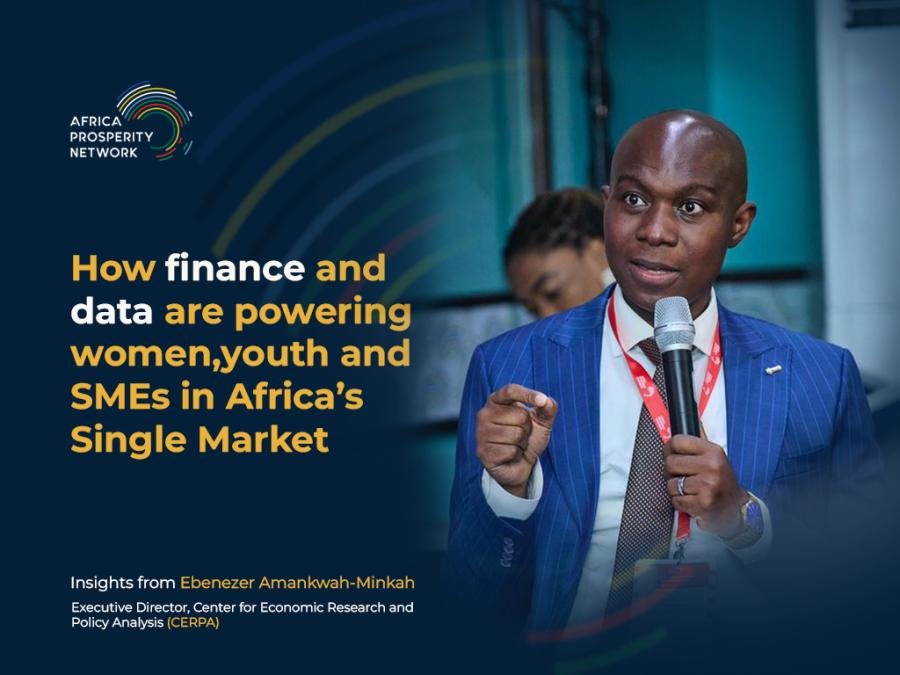
Economist and Executive Director of the Center for Economic Research and Policy Analysis (CERPA), Ebenezer Amankwah-Minkah, has called for Ghana to leverage its recent macroeconomic stability as a foundation for deeper structural transformation driven by infrastructure investment and inclusive growth.

By the end of 2024, the Ghanaian Cedi was widely recognised as one of the weakest-performing currencies in Africa, experiencing substantial depreciation relative to major global currencies.

As outlined in Section 28 of the Public Financial Management Act, 2016 (Act 921), the Finance Minister of Ghana delivered the Mid-Year Fiscal Policy Review for the 2025 Budget Statement and Economic Policy to Parliament on behalf of the President on Thursday, July 24, 2025

The paper outlines the opportunities and challenges facing the country’s carbon trading ambitions and provides strategic policy recommendations to position Ghana as a competitive player in the global carbon economy.

Ghana's energy sector has long faced significant challenges that threaten its efficiency, reliability, and long-term sustainability.